If you spend time around wellness clinics, athletic recovery studios, or hospital wards, you’ll hear two phrases used for what looks like the same thing: IV drip treatment and IV infusion treatment. Both involve a small catheter in a vein, a bag of fluid, and gravity or a pump. Both deliver vitamins, electrolytes, medications, or hydration directly into the bloodstream. Yet there are real differences in how clinicians use each technique, how they’re dosed and monitored, and where they shine.
I’ve worked with IV therapy in medical settings and in wellness contexts, and the nuance matters. Choosing the right method can affect how quickly you feel relief, how steady your blood levels remain, and even the overall safety of the session. If you’re weighing hydration IV therapy for a long flight, a Myers cocktail IV for energy, or a migraine IV therapy plan your neurologist suggested, understanding drip versus infusion will help you ask sharper questions and book the right service.
What both treatments have in common
At the core, an IV is a route of administration: intravenous therapy delivers fluids and solutes directly into your veins, bypassing the gut and first-pass metabolism. The result is rapid bioavailability. Vitamin C IV therapy, for example, can reach blood concentrations many times higher than oral supplements, because gastrointestinal transporters are no longer the bottleneck. The same principle explains why IV therapy for dehydration corrects volume deficits faster than oral rehydration when someone can’t keep fluids down.
Both an IV drip and an IV infusion rely on a sterile setup: a bag or bottle of solution, typically normal saline or lactated Ringer’s for hydration IV therapy, or sterile water with additives for vitamin IV therapy and medications. A trained IV therapy nurse places a small intravenous catheter, connects tubing with a drip chamber, and regulates flow. Clinics offering IV wellness therapy, mobile IV therapy, and in home IV therapy use the same basic equipment hospitals use, though medication protocols and monitoring typically differ.
The similarities end when we talk about how the fluid is delivered over time and how precisely the dose is controlled.
The core difference in one sentence
An IV drip is a continuous, relatively gentle flow of fluid from a bag regulated by gravity and a roller clamp, while an IV infusion is a controlled administration of a known dose over a set period, often using a pump that delivers milliliters per hour and may be intermittent, titrated, or time-limited.
That sounds subtle. In practice, it changes how we plan, monitor, and tailor therapy.
The IV drip: steady hydration and gradual delivery
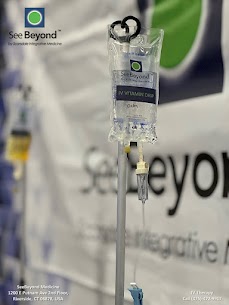
The classic image of an IV drip is a clear bag hanging on a pole, fluid sliding through a drip chamber, then down the tubing to your vein. In wellness settings, this is the backbone of hydration drip services, vitamin drip menus, and many immunity IV drip or energy IV therapy offerings. The drip is typically set to flow at a comfortable speed, anywhere from 100 to 250 milliliters per hour, depending on vein size, patient comfort, and the contents of the bag. Some clinics use basic infusion pumps for accuracy, but many rely on gravity and frequent checks.
The strength of the drip approach is simplicity. For IV hydration therapy after a tough workout or long travel day, the priority is volume replacement and gradual electrolyte delivery. A liter of lactated Ringer’s or normal saline with added magnesium or B vitamins can ease cramping and fatigue without overwhelming the circulation. For hangover IV therapy, the combination might include fluids, B vitamins, vitamin C, and sometimes an anti-nausea medication, again delivered slowly as a drip that lets your body settle into a steadier state. When a client requests on demand IV therapy at home, the drip format is easy to set up, monitor, and adjust without complex equipment.
In clinics I’ve worked in, most IV vitamin therapy menus lean on drip formats for comfort and predictability. A Myers cocktail IV, a common formula in iv nutrient therapy, blends magnesium, calcium, B complex, B12, vitamin C, and sometimes glutathione. Delivered as a drip over 30 to 60 minutes, it avoids peaks that can provoke flushing or lightheadedness. With glutathione IV therapy, many providers prefer to push or drip the glutathione at the end over a very slow rate to reduce any chest tightness or throat sensations some people feel when bolused quickly.
For wellness clients, the experience matters. A steady drip lets you sit back, hydrate, and absorb nutrients without the roller coaster that can follow a fast push. Most adverse sensations I’ve seen during iv vitamin infusion therapy resolve when we slow the drip, add a little warmth to the hand or forearm, or elevate the limb. That fine-tuning is easier when the flow is gentle.
The IV infusion: precise dosing and time control
When clinicians say “infusion,” they usually mean a known dose delivered over a fixed time using a pump. In medical IV therapy, that precision matters. Antibiotics like vancomycin, iron infusions, monoclonal antibodies, certain migraine treatments, and electrolyte corrections carry specific targets: deliver 500 milligrams over 90 minutes, titrate to maintain a rate based on weight, or stop at the first sign of infusion reaction. Pumps track every milliliter and let us pause, restart, or adjust without guesswork.
In the wellness world, IV infusion therapy shows up when ingredients require tighter timing or when a protocol calls for incremental steps. High-dose vitamin C infusions above 10 grams are a common example. At those levels, osmolarity and vein tolerance become real issues, so trained providers dilute and run the infusion at a set rate, checking vitals and comfort. Another is migraine IV therapy in medical infusion centers, where magnesium, antiemetics, and sometimes anti-CGRP or other agents run in sequence, each over a defined time. If you see “immunity IV infusion” on a menu, it may mean a nurse will use a pump to deliver vitamin C, zinc, and other nutrients in specific doses over a specific duration rather than a free-flow drip.
For athletes using recovery IV therapy with amino acids or performance iv drip protocols that include carnitine or taurine, a pump can protect against too rapid an administration, which sometimes triggers nausea or hypotension. In post-viral fatigue cases, low-dose infusions with gradual uptitration over several sessions can be structured so each step is measurable. And in medical iv therapy, infusion protocols let teams follow lab-guided targets, like correcting a magnesium deficit with 2 grams over 30 to 60 minutes while monitoring heart rhythm.

The line between drip and infusion blurs when clinics use pumps for everything. The distinction then becomes about intent and dosing discipline. A casual hydration iv drip may still run on a pump for convenience, but it isn’t a time-critical infusion with a fixed-dose protocol. The pump is simply a precise faucet.
Safety, monitoring, and who should do what
The most consistent determinant of safety is not whether you drip or infuse, but how well the therapy is screened, mixed, and monitored. A few practical points from the chairside perspective:
- Screening and labs. IV wellness therapy can be safe for generally healthy adults, but it still requires intake screening for kidney disease, heart failure, bleeding disorders, or medication interactions. I like to see recent labs when clients request high-dose vitamin C IV therapy or iron, and I decline glutathione IV therapy in people receiving certain chemotherapy unless the oncology team is involved. For migraine IV therapy, coordination with the treating clinician prevents ingredient duplication. Aseptic technique and verification. Whether mobile IV therapy at home or in an IV therapy clinic, sterile setup, correct patient identification, ingredient verification, and expiration checks are non-negotiable. The quiet errors are the dangerous ones: a mislabeled vial or incompatible additives. If a provider can’t clearly explain what’s in the bag and why, pause the session. Rates and reactions. Most Vitamin IV services feel uneventful when rates are conservative. Tingling lips from B vitamins, warmth with magnesium, a chalky taste with minerals, or a sulfur smell with glutathione can happen. Any chest tightness, wheezing, itching, dizziness, or blood pressure changes warrant stopping the infusion, assessing the line, and possibly administering medications per protocol. Pumps reduce rate-related issues, but vigilance matters either way. Vein care and comfort. Good vein selection, small-gauge catheters, warm compresses, and attentive taping prevent many problems. I avoid high-osmolarity infusions in fragile hand veins. If there’s burning, slow the rate and reassess. Extravasation is rare but important; if it happens, stop the flow, elevate, and follow the clinic’s policy. Scope and escalation. IV therapy specialists and nurses in wellness clinics can handle routine fluids, vitamin iv drip formulations, and straightforward medications within protocol. Complex infusions, high-dose regimens, or patients with medical comorbidities belong in medical settings with IV therapy providers who have access to diagnostics and escalation pathways.
Common use cases, matched to method
Hydration and recovery. IV therapy for hydration after gastrointestinal illness, travel, or intense exertion generally works best as a drip. A liter over 45 to 90 minutes with electrolytes replenishes without rushing the heart or kidneys. If someone is severely dehydrated, that belongs in urgent care or a hospital with labs and monitoring, where an infusion plan might include serial liters and electrolyte correction guided by tests.
Wellness and energy. Myers cocktail therapy, energy boost iv drip options, and wellness iv drip services usually run as gentle drips. The goal is gradual delivery of B vitamins, vitamin C, and minerals that can cause flushing if pushed. In clients with borderline blood pressure, I slow the rate and occasionally split the bag into two shorter sessions.
Immunity support. Immunity boost iv therapy and immunity iv infusion can work either way. If the doses are modest, a drip is comfortable. If the clinic’s formula uses higher-dose vitamin C or adds zinc in amounts that increase GI or vein sensitivity, a pump with a set time helps prevent discomfort.
Athletic performance. Athletic iv therapy for event recovery, cooling, or electrolyte balance should be individualized. For endurance athletes who lost several liters of sweat, I prefer drip hydration with vitals and, when available, point-of-care sodium checks. Adding amino acids and magnesium goes smoother as a drip. More specialized performance iv drip components like carnitine or NAD+ demand pump control and precise titration to reduce nausea or chest tightness.
Headache and migraine. Headache iv drip menus often include fluids, magnesium, B vitamins, and an antiemetic. In a wellness clinic, these run as drips with careful monitoring. In a medical infusion center, migraine iv therapy might include medications with strict infusion times. If migraine frequency is high, coordinate with neurology for a protocol rather than ad hoc treatments.
Detox and beauty. Detox iv therapy and beauty iv therapy marketing sometimes overpromises. Hydration, antioxidants like vitamin C, and glutathione can support recovery and skin appearance in the short run, but they are not substitutes for liver or kidney function. I run these slowly, and I avoid aggressive combinations in first-time clients. A glutathione iv glutathione drip is gentler than a rapid push for most people.
Hangover support. IV hangover drip services typically combine fluids, electrolytes, B complex, vitamin C, and an anti-nausea agent. A drip shines here because nausea improves as the volume and medication take effect. Adding anti-inflammatory medications or acid reducers should follow a clinician’s guidance, especially if there’s a history of ulcers or kidney disease.
Cost, time, and what to expect during a session
IV therapy cost varies by region and setting. In wellness clinics, an iv drip treatment for hydration or a standard vitamin iv services package often ranges from 100 to 300 dollars per session. Specialty ingredients like high-dose vitamin C, NAD+, or iron can push prices into the 250 to 600 dollar range or higher. Mobile iv therapy typically adds a convenience fee, reflecting travel time and supplies. In medical infusion centers, insurance may cover medically indicated infusions, but co-pays vary widely.
Time matters. A straightforward hydration iv drip can be finished in 45 to 60 minutes. A Myers cocktail iv often runs 30 to 60 minutes. High-dose vitamin c iv therapy might take 60 to 120 minutes depending on dose and vein comfort. Iron infusions, certain biologics, and migraine protocols can last 60 to 180 minutes, sometimes with post-infusion observation.
The appointment flow is simple but important. Plan for intake questions, a vitals check, and a review of medications and allergies. Ask your iv therapy provider what’s in the bag, the dose of each ingredient, the planned rate, and what sensations are expected. If you’re browsing iv therapy near me and booking online, look for an iv therapy menu that lists exact ingredients and volumes, not just catchy names. Transparency is a sign of a mature protocol.
Ingredients that change the conversation
Not all additives behave the same when dripped versus infused. A few that deserve attention:

Vitamin C. At lower doses, vitamin C sits comfortably in wellness iv drip formulas. Above roughly 10 to 15 grams, osmolarity rises and a pump with a set time is friendlier to veins. G6PD deficiency screening is advised before high-dose protocols to reduce the risk of hemolysis.
Magnesium. It relaxes smooth muscle and can lower blood pressure transiently. A slow drip mitigates flushing and lightheadedness. In migraine or cramp protocols, I prefer 1 to 2 grams over at least 30 minutes, sometimes longer for sensitive clients.
Glutathione. Many feel a throat tickle or chest tightness if it’s pushed too fast. A glutathione iv therapy approach with a slow drip at the end of the session is usually more comfortable.
B12 and B complex. These can tingle and create a warm, energized feeling. Most tolerate them well as part of an iv vitamin drip. For those prone to nausea, a slower rate is smoother.
Zinc. It can irritate the stomach if swallowed and a vein if concentrated. Dilution and slow delivery help. If a clinic offers an immunity iv infusion with zinc, ask about dilution and rate.
Amino acids and carnitine. Useful in recovery iv therapy and performance iv drip packages, but they can cause nausea if rushed. Pumps help with consistency.
Medications. Antiemetics, anti-inflammatories, and migraine-specific drugs carry their own infusion instructions. These should be handled as true infusions with pump control and medical oversight.
Choosing between a drip and an infusion for your goals
For general wellness, hydration, and light nutrient support, an iv drip provides a comfortable, cost-effective experience. It suits iv therapy for energy, iv therapy for hydration, and immune boost iv therapy at modest doses. For targeted therapy, higher-dose regimens, medications, or clients with medical conditions, an iv infusion with a pump and precise timing is safer and more predictable.
Your decision also depends on logistics. If you’re booking same-day concierge iv therapy to your home for mild dehydration, a drip is straightforward and portable. If you’re scheduling vitamin infusion therapy at an iv therapy clinic with a history of reactions or high-dose goals, request a pump and ask about the infusion plan in detail. Clinics that offer iv therapy packages should be able to tailor rates and doses, not force a one-speed-fits-all approach.
Red flags and green lights when vetting providers
The best IV therapy providers communicate clearly, SeeBeyond Medicine iv therapy Riverside personalize care, and respect limits. A few quick heuristics from the field:
Green lights: They review your health history and medications before recommending an iv therapy treatment. They explain ingredients and doses of the iv vitamin infusion. They monitor vitals, have a plan for adverse events, and can articulate why they chose a drip versus an infusion. They staff experienced iv therapy nurses who start lines gently and check on you often. They don’t oversell benefits and discuss risks without defensiveness.
Red flags: They can’t tell you what’s in the bag or the exact amounts. They refuse to adjust the rate when you’re uncomfortable. They pitch iv detox drip services as a cure-all for chronic disease. They push high-dose additives without appropriate screening. They lack basic emergency supplies or a protocol for escalation.
If you’re searching “iv therapy treatment near me,” call and ask specific questions: Do you use pumps when indicated? What’s your standard rate for a liter of hydration? How do you handle magnesium discomfort? Do you coordinate with my doctor for migraine iv therapy or iron? The quality of the answers is telling.
Results, expectations, and the limits of IV wellness
People often feel better after iv fluids therapy, especially if they were dehydrated or sleep-deprived, and the improvement can show up quickly. IV nutrition therapy can lift energy for a few hours to a few days in those with borderline intake or high training loads. For immune support, the evidence base is mixed. Some individuals report fewer sick days during stressful periods when they use immunity iv drip sessions, but robust clinical trials are limited. For migraines, well-chosen infusion protocols can cut severity and duration, particularly when started early and guided by a clinician.
None of this replaces medical care, nor does it rewrite your baseline physiology. IV wellness infusion sessions work best as adjuncts to nutrition, sleep, and training that already make sense. If fatigue is persistent, the right move might be labs and a medical evaluation, not another bag of B12. If you have heart or kidney disease, discuss any iv hydration infusion with your physician first. Infusions that promise anti aging iv therapy outcomes should be viewed as supportive at best, not transformative.
A practical path to your first session
If you’ve never tried IV therapy and you’re curious, start simple. Book an in-person consult at a reputable iv therapy wellness clinic. Bring your medication list and any recent labs. Consider a half-liter hydration iv drip with a modest vitamin blend, then gauge how you feel during and after. Ask the nurse to start slow and walk you through the plan. If you’re exploring targeted goals like iv therapy for immunity during travel season, develop a schedule that avoids stacking multiple high-dose additives in one sitting. If you’re an athlete, time recovery iv therapy for after hard efforts, not before, and prioritize rest and nutrition alongside.
For those who prefer convenience, mobile iv therapy can be safe if the provider brings the right gear, follows the same screening as the clinic, and keeps a clean field. I’ve run dozens of in home iv therapy sessions for dehydrated clients after viral illness; the largest wins came from patient selection and pacing, not from exotic formulas.
Bottom line on terminology
People use “IV drip” and “IV infusion” interchangeably, and many services overlap. If you want to be precise:
- Think of an IV drip as a steady, gravity-assisted flow that suits hydration and gentle nutrient delivery. Think of an IV infusion as a pump-controlled, time-defined administration for medications, higher-dose nutrients, or situations where rate and dose must be exact.
Ask your iv therapy provider which approach they plan to use and why. Match the method to your goal, your health status, and the ingredients. The right choice is the one that delivers benefits with the least risk, and that rests on good screening, careful dosing, and a team that listens.